Tag: deliberate practice
-

4 Tips to Optimize Effort in the Classroom: A Classical Education Take on Cognitive Load Theory
The process of learning anything is quite complex. And yet there is an intuitive sense most people have of what learning looks like, even if one struggles to explain all the components and mechanisms at play in the mind of the learner. Neuroscience and psychology attempt to address some of these components and mechanisms by…
-
Three Key Skills to Develop during High School
For high school students, college looms large in the mind. Frequently, the focus is on grades and graduation requirements. But the most effective way to become optimally prepared for college is to delve into concepts surrounding human learning. In particular, students who gain a sense of themselves as learners who can manage their own learning…
-

Ancient Wisdom for the New Economy
Our educational renewal movement comes at a peculiar time in history. Classical education around the globe plugs us into something the predates many of the movements that shape the conventional educational assumptions of our day. One could identify the Enlightenment as the starting point of conventional education, largely because of the empirical epistemology that championed…
-
How to Teach Grit and the Growth Mindset
Over the years we have written about grit and growth mindset here at Educational Renaissance. These are important areas of recent research that align well with the aims of our educational renewal movement. But one of the really tricky issues is whether we can teach grit and growth mindset. Is it the case that children…
-
3 Leadership Books for Teachers
Teachers are the leaders of their classrooms. Now, this may seem obvious (who else would be in charge?), so let me explain. Teachers are responsible for the execution of classroom objectives and the development of their students. In a healthy school, they are given the freedom and responsibility, within a broader structure of administrative oversight,…
-
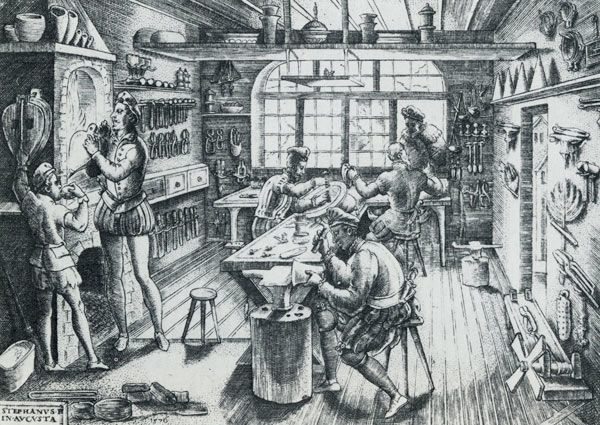
The Pathway to Mastery: Apprenticeship in the Classroom
A new book landed on my desk around the beginning of the school year. Robert Greene’s Mastery (New York: Viking, 2012) touches on a number of points that are worthy of exploration and consideration. It reads like a mix of historical biography and self help by a writer who is a master of his craft.…
-

Apprenticeship in the Arts, Part 6: The Transcendence and Limitations of Artistry
In this series on apprenticeship in the arts we have laid out a vision for the role of the arts in a fully orbed classical Christian education. We began by situating artistry or craftsmanship within a neo-Aristotelian and distinctly Christian purpose of education: namely, the cultivation of moral, intellectual, and spiritual virtues. Then we explored…
-

Apprenticeship in the Arts, Part 5: Structuring the Academy for Christian Artistry
In the previous article we explored the need to counter the passion mindset of our current career counseling by replacing it with a craftsman mindset drawn from a proper understanding of apprenticeship in the arts. Apprenticing students in various forms of artistry (including the liberal arts) constitutes the role of the Academy that is most…
-

Apprenticeship in the Arts, Part 4: Artistry, the Academy and the Working World
In his book So Good They Can’t Ignore You: Why Skills Trump Passion in the Quest for Work You Love, Cal Newport argues against the well-known Passion Hypothesis of career happiness. He describes the Passion Hypothesis as the idea that “the key to occupational happiness is to first figure out what you’re passionate about and…
-
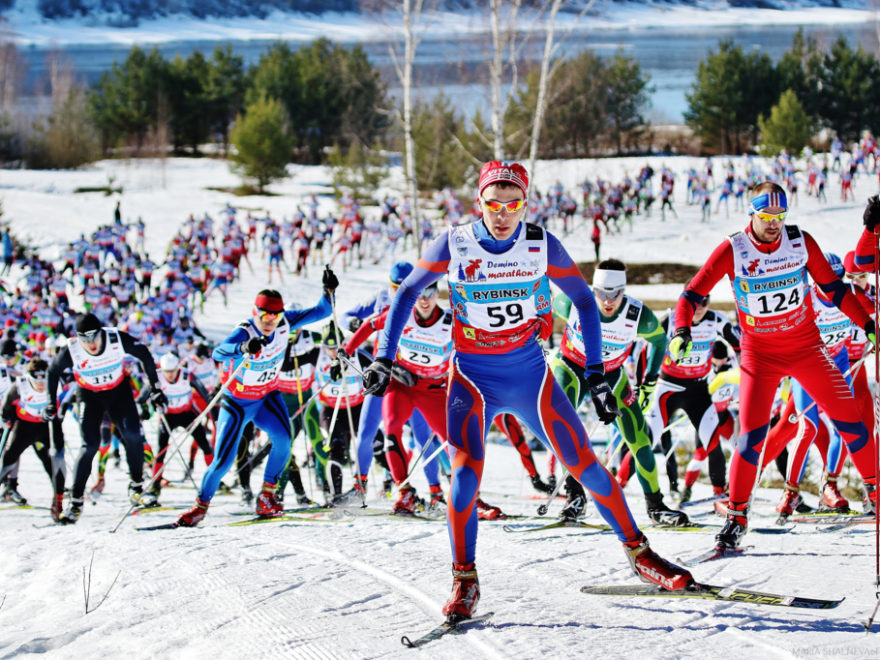
Finding Flow through Effort: Intensity as the Key to Academic Success
At the intersection of challenge and skill, the state of flow emerges: a state of total immersion and enjoyment. Jason Barney’s book on flow, entitled The Joy of Learning: Finding Flow through Classical Education connects Mihaly Csikszentmihalyi’s study of flow with the classical Christian classroom. In this article I plan to build on Jason’s work…