Category: Classical Tradition
-
C.S. Lewis and Two Types of Education
Our educational renewal movement champions a return to the life-giving role great books play in forming lives of flourishing for our students and for society. We want our students to gain an appreciation for great literature and to be devoted to life-long learning. So if our goal is appreciation, should we do away with exams…
-
To Save a Civilization, Part 2: The Road to Rebuilding
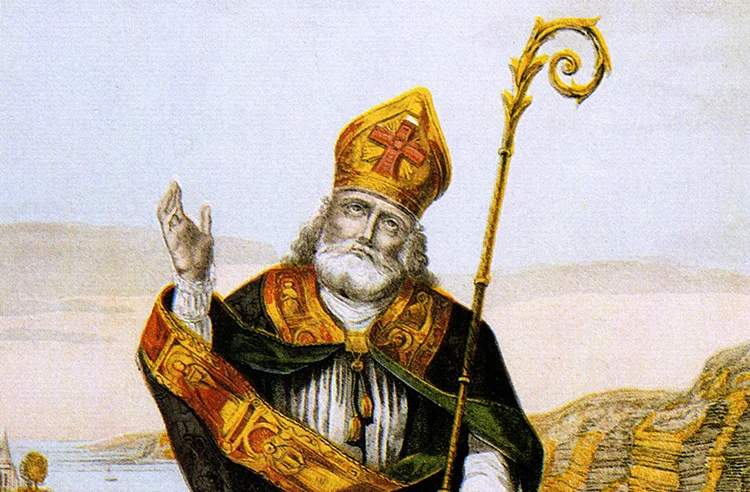
In my previous article, I reflected on the nature of civilizations: how they emerge, what they are built upon, and why they fall. I specifically examined the story of the fall of the Roman Empire. While it is difficult for historians to identify a single point in time when the decline began, various cultural, moral,…
-

Apprenticeship in the Arts, Part 6: The Transcendence and Limitations of Artistry
In this series on apprenticeship in the arts we have laid out a vision for the role of the arts in a fully orbed classical Christian education. We began by situating artistry or craftsmanship within a neo-Aristotelian and distinctly Christian purpose of education: namely, the cultivation of moral, intellectual, and spiritual virtues. Then we explored…
-
To Save a Civilization, Part 1: Conditions for a Decline
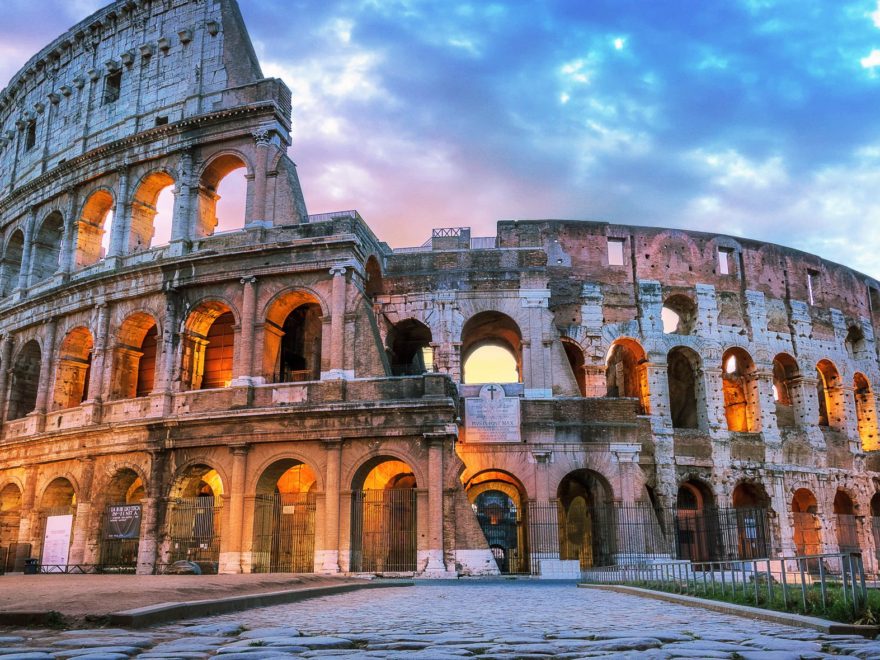
Why did Rome fall? In our present age, this question may yield insights that extend beyond historical inquiry. Rome, in the ancient world, was not simply another European city. It represented the pinnacle of western civilization and the magnetic core of order. Rome embodied itself as both the trustee of culture and the key to…
-

Apprenticeship in the Arts, Part 5: Structuring the Academy for Christian Artistry
In the previous article we explored the need to counter the passion mindset of our current career counseling by replacing it with a craftsman mindset drawn from a proper understanding of apprenticeship in the arts. Apprenticing students in various forms of artistry (including the liberal arts) constitutes the role of the Academy that is most…
-

Apprenticeship in the Arts, Part 4: Artistry, the Academy and the Working World
In his book So Good They Can’t Ignore You: Why Skills Trump Passion in the Quest for Work You Love, Cal Newport argues against the well-known Passion Hypothesis of career happiness. He describes the Passion Hypothesis as the idea that “the key to occupational happiness is to first figure out what you’re passionate about and…
-

On Deep Reading
In an age of misleading news articles, vicious discourse, and exponential ignorance, it is a curious fact that the skill of reading continues to take the backseat to other “practical” areas of study. Society, it seems, would rather have students master Microsoft Excel or how to program computers than they would become lectiophiles. Reading is…
-

Irrigating Deserts in Schools: The Redemption of Emotion in an Age of Feeling
In a world of sensationalistic news, propaganda, and emotions running in overdrive, our students need specialized training in how to navigate life’s challenges with wisdom. Dorothy Sayers and C.S. Lewis, two favorites in the classical education renewal movement, offered different, but related, educational solutions to respond to emotive and misleading propaganda. Dorothy Sayers, known for…
-

Apprenticeship in the Arts, Part 3: Crafting Lessons in Artistry
In the previous two articles in this series exploring Aristotle’s intellectual virtues, I laid out a fivefold division of the arts and a teaching method for training in artistry. My guiding hypothesis is that rethinking education through the Aristotelian paradigm of intellectual virtues will combat some of the typical problems of modern education. Bloom’s Taxonomy…
-

Old Books, the Antidote to Our News Feeds
So much has changed in life during the span of time I have worked in education. Consider the enormous role social media has played since the turn of the century. It has become something like the social operating system for a new generation of students who have never known life without it. Or think about…