Tag: Aristotle
-

The Problem of Technicism in Conventional Education
Technicism is not simply an over-fascination with technology as a means of stimulating learning out of students, though that problem plagues conventional education as well. Instead, I use the term ‘technicism’ to refer to a broader ideological approach to education that has become captivated by quantitative measurements and the economic evaluation of success. In technicism…
-
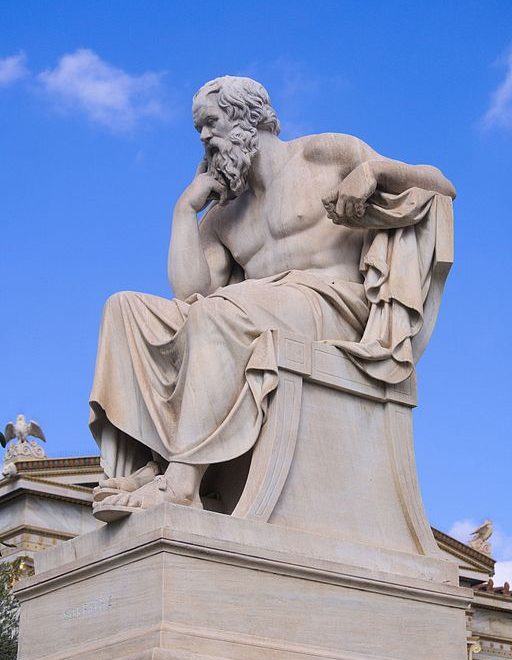
The Flow of Thought, Part 8: Restoring the School of Philosophers
In my last article, The Flow of Thought, Part 7: Rediscovering Science as the Love of Wisdom, I made a case for the value of re-envisioning natural science as philosophy. While science might never come to mind today when philosophy is discussed, this was not always the case. The association of Solomon with the type…
-

The Flow of Thought, Part 6: Becoming Amateur Historians
I’ve never been one for journaling. It’s not for lack of trying or admiration for the idea behind the practice. But keeping a journal and writing down my thoughts about myself or what I experienced that day just never caught on for me. I was almost tempted to say that it would have felt too…
-

The Search for Happiness, Part 2: The Way of Wisdom
In my previous blog, I examined how modern research, particularly through the avenue of positive psychology, confirms some of Aristotle’s insights about human beings and the well-lived life. In particular, I observed that author Shawn Achor’s definition of happiness as “the joy of striving after our potential” isn’t that far afield from Aristotelian virtue theory. …
-

In Search of Happiness, Part 1: The Road of Virtue
In 1952, Dr. Norman Vincent Peale, an Ohio-born pastor who went on to minister for fifty-two years in New York City, published a book that would go on to change his life and career trajectory. The book’s title? I’m sure you’ve heard of it, at least, as an idea. It’s called The Power of Positive…
-

Christ Our Habitation: A Consideration of Spiritual Habit Training in Education
I have begun to explore habit training once more. In this post I want to explore what it means to consider students as whole persons and address questions stemming from our being spiritual persons. What does it mean for Christians to apply habit training? The greatest liability of education is an undue focus on the…
-

Training in the Arts vs. Teaching Sciences
I have previously written on the classical distinction between an ‘art’ and a ‘science’, but I recently discovered some interesting confirmations of it in Plato and John Milton Gregory (two otherwise widely divergent figures in the history of education). In particular, the chief take-away for teachers is a clearer awareness of when you are focused…
-
The Flow of Thought, Part 2: The Joy of Memory
In my last article “The Flow of Thought, Part 1: Training the Attention for Happiness’ Sake” I drew a connection between Aristotle’s view that happiness is the chief goal of education and the findings of modern positive psychology. In Mihaly Csikszentmihalyi’s Flow: The Psychology of Optimal Experience, he reports his findings that people report being most…
-

The Flow of Thought, Part 1: Training the Attention for Happiness’ Sake
It may seem strange to look to modern psychology for support of classical education. After all, it’s the vagaries of modern thought that have got us into this educational trouble in the first place. The abandonment of tradition, the scientism and revolutionary overhaul of religion have all taken their toll on the proper training of…
-
Why Study Western Civilization?
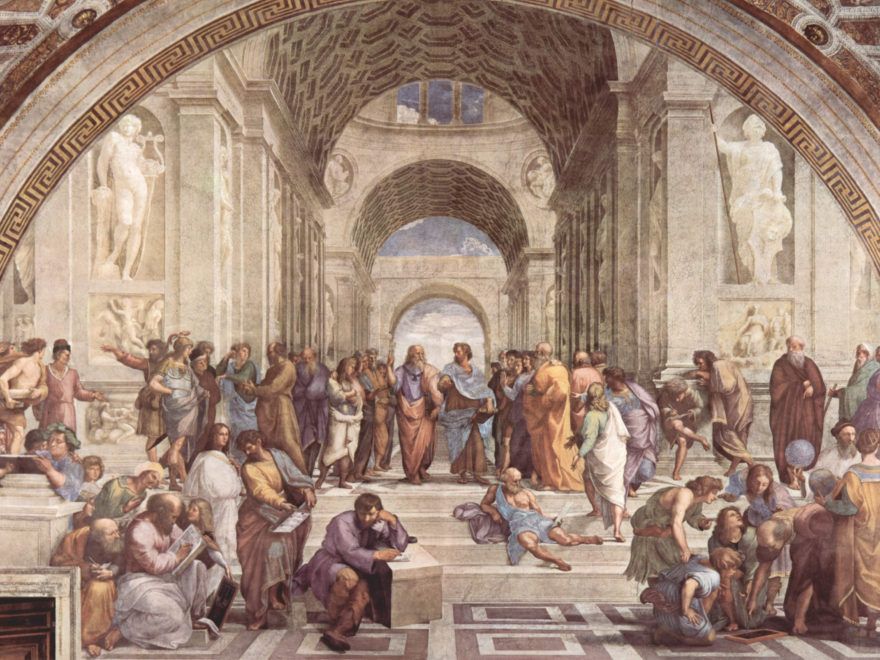
The classical Christian movement has at its core a commitment to teaching Western civilization. Even though we teach Western civ, its distinctive qualities are not always clear. As a result, many educators (even within the classical movement) question why we would teach Western civilization. Here I will lay out what I think are the three…