Author: Patrick Egan
-
2021 Summer Conference Edition
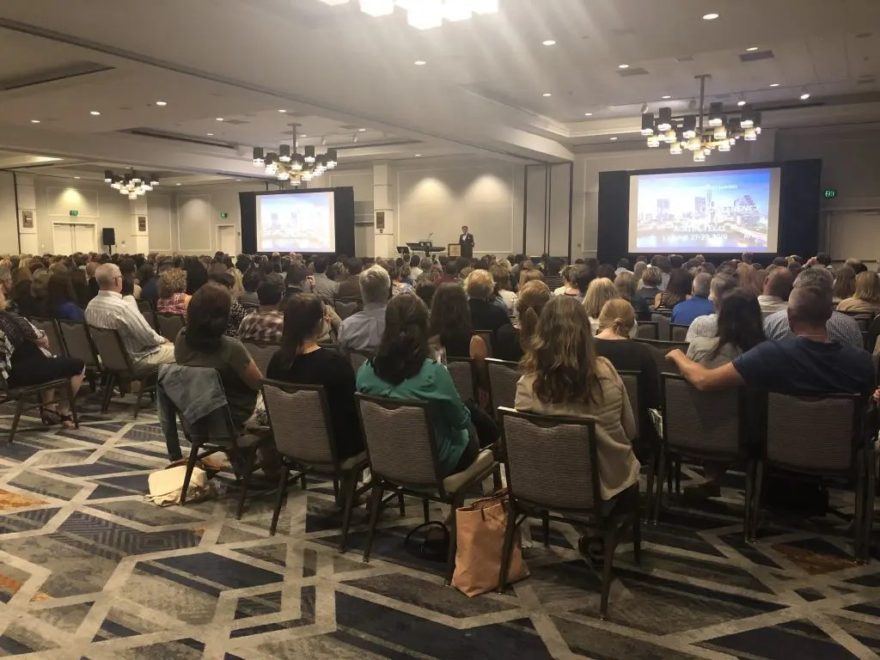
Welcome Summer Conference Attendees to Educational Renaissance It’s time once again for the summer conferences. Whether you attended in person or remotely, many of you will have discovered Educational Renaissance for the first time during either the ACCS Repairing the Ruins conference last week or the Society for Classical Learning conference this week. We welcome you summer conference…
-
After the Black Death . . . What?
It was a little over a year ago that I wrote “The Black Death and an Educational Renaissance” about how the Black Death serves as an analogue to the Coronavirus. In that article I argued that the Black Death initiated a series of societal changes that eventually led to the Renaissance. I particularly noted how…
-
Exploring Educational Alternatives: A Comparison of Charlotte Mason and Maria Montessori
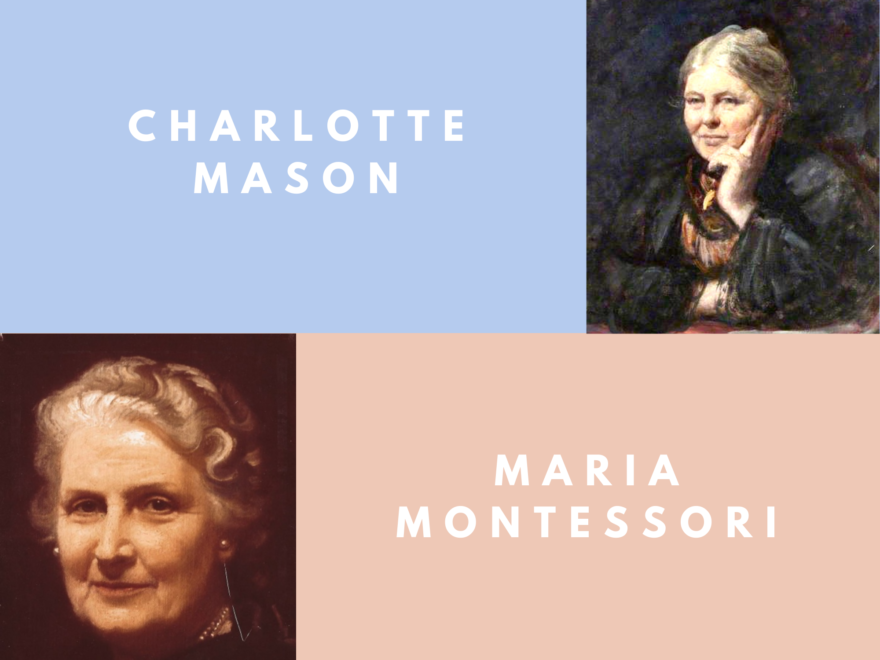
The early 1900s was a watershed moment in education. The second wave of the Industrial Revolution brought about what we might call the educational-industrial complex. Here I intentionally draw upon Dwight D. Eisenhower’s 1961 Farewell Address when he warned against the disastrous potential of the military-industrial complex. Looking back over the previous decades of global…
-
Human Development, Part 3: Get in the Zone
It is a dangerous thing to become a Jedi padawan. The training and trials are extremely difficult; one might say almost impossible. Qui-Gon Jin tells Anakin Skywalker, “Anakin, training to be a Jedi is not an easy challenge, and even if you succeed, it’s a hard life” (from Star Wars: Episode 1 – The Phantom…
-

Human Development, Part 2: All the World’s a Stage
That one essay – you know the one that got this whole educational renewal movement going – needs to be reevaluated. I am talking about the essay “The Lost Tools of Learning” by Dorothy Sayers. Her approach reminds me of Galadriel’s speech in the prologue to The Lord of the Rings movies, “Much that once…
-

Human Development, Part 1: What Do You Have in Mind?
A sound pedagogy requires a good understanding of anthropology (the study of human beings including our nature, our biology, our behavior and our social patterns) and of epistemology (the study of the nature of knowledge and how humans experience and acquire knowledge). One way these key areas of study (anthropology and epistemology) converge pertains to…
-
What has Ambleside to do with Jerusalem?: A Consideration of Charlotte Mason’s Philosophy of Education as a Model for Teaching Biblical Studies
In this week’s blog post I am going back into the vault to share with you a paper I presented at the Society of Biblical Literature Annual Meeting in Atlanta on November 20, 2010. This was a pivotal moment in my career, having earned my PhD and taught for a few years at colleges and…
-
Creating a Culture of Mentorship
In Episode 10 of the Educational Renaissance podcast, we took a deep dive into what Charlotte Mason means by atmosphere, one of the three instruments of education. One of the ideas that surfaced was the concept of mentoring. In today’s article I want to extend that discussion to look at some recent research on student…
-

Three People You Should Listen to in 2021
As 2020 wraps up there is much to be grateful for in the midst of one of the most difficult years we’ve experienced as a society. Today is Boxing Day, which is a great day for gift giving, reflection on the year past and perspective on the year ahead. (When I lived in the UK,…
-
Training the Prophetic Voice, Part 6: Classical Rhetoric for the Modern World
In my last post, I explored the concept of internalization. Students need to internalize the truth in such a way that it impacts their lives personally. Obviously this will look different for each individual, so there is no formula. I like to think of each person as embarking on a journey during which they will…