Category: History of Education
-

The Drive to Learn: Three Views on the Desire for Knowledge
What is the purpose of knowledge? What is its draw? What drives us to learn and pursue knowledge about God, the world, and ourselves? Most educators agree that pursuing knowledge is a primary goal of education. But views diverge soon after, specifically when questions about the purpose of knowledge emerge as well as what fields…
-

Counsels of the Wise, Part 4: Preliminary Instruction in Prudence
How does a person become wise? What are the proper ingredients in an educational paradigm aimed at prudence? Where would we even begin? So much of K-12 education seems to have nothing to do with practical wisdom, as Aristotle defines it. How do we recover the classical goals of wisdom and virtue in earnest, and…
-
Exploring Our Educational Ideals: Following along Gulliver’s Travels
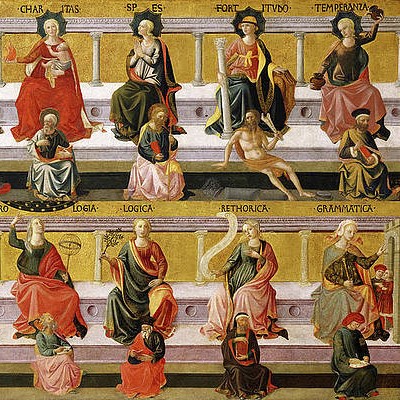
Since its publication in 1726, Gulliver’s Travels by Jonathan Swift has been a popular read both for its initial audience as well as for generations of readers since. In my most recent reading of this travelog with our Enlightenment Humanities class at Clapham School, I was struck by Swift’s thoughts on education. Excavating the claim…
-
The Virtue of Art: Leonardo da Vinci and Renaissance Apprenticeship
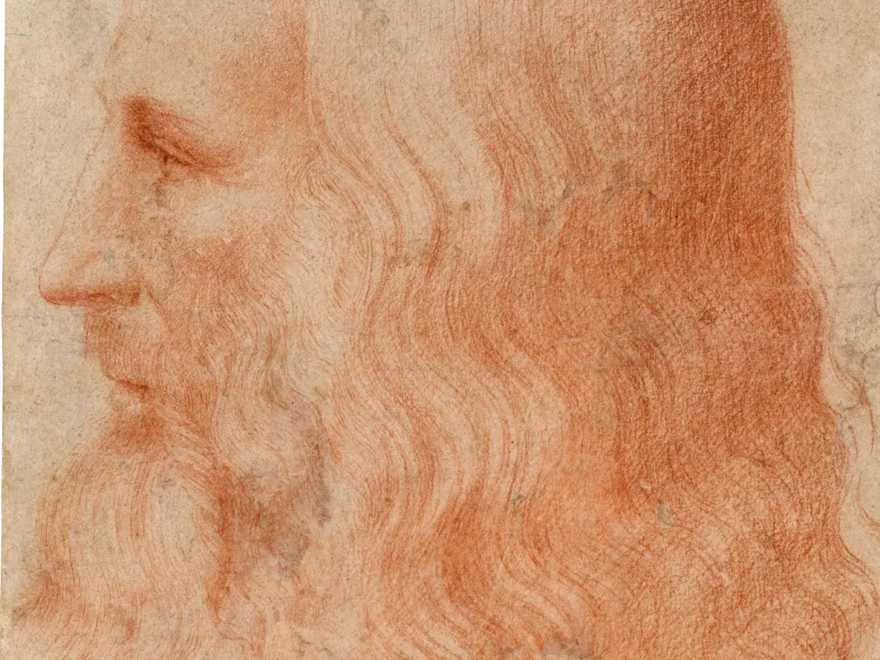
It just might be an apocryphal story, but the mastery Leonardo demonstrated early in his apprenticeship to Andrea del Verrocchio foretold the eminent career of one of the greatest minds of the Italian Renaissance. Leonardo da Vinci was born in 1452 near Florence in the small Tuscan town of Vinci. The illegitimacy of his birth…
-
Renaissance Children: How Our View of Children Shapes Our Educational Aims
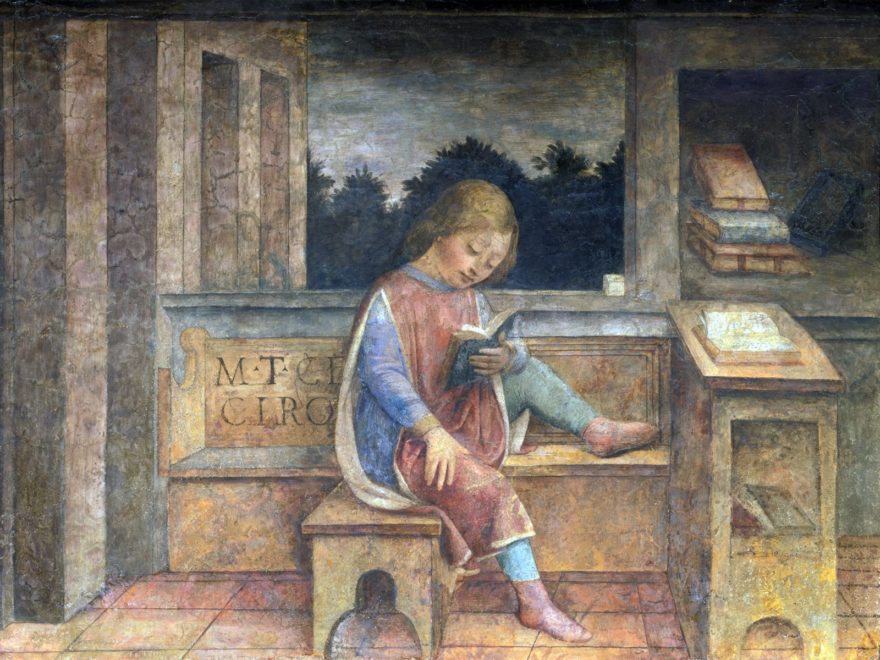
Perhaps no figure in Twentieth century America captured the idealization of childhood innocence better than Norman Rockwell. His paintings, appearing regularly on The Saturday Evening Post, often included children who evoked an innocence untouched by hard realities that grown ups experienced through the Great Depression and two World Wars. Consider the painting Marble Champion. This…
-
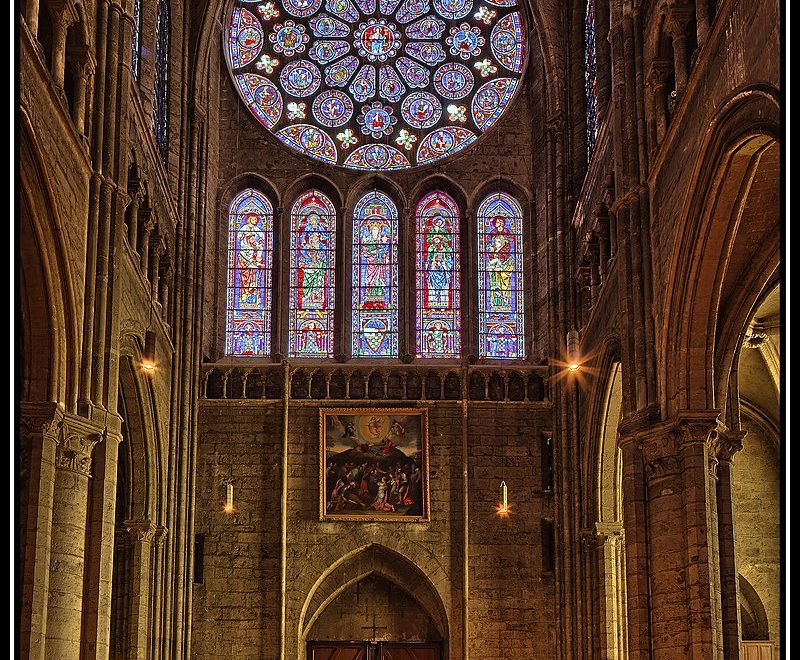
Expanding Narration’s History in the late Middle Ages: Bernard of Chartres from John of Salisbury’s Metalogicon
This is the third blog article expanding the short history of narration I laid out a year ago. In the last two I expanded my treatment of John Amos Comenius to engage in detail with the passages from The Great Didactic and the Analytical Didactic that recommend activities that Charlotte Mason would have called narration.…
-
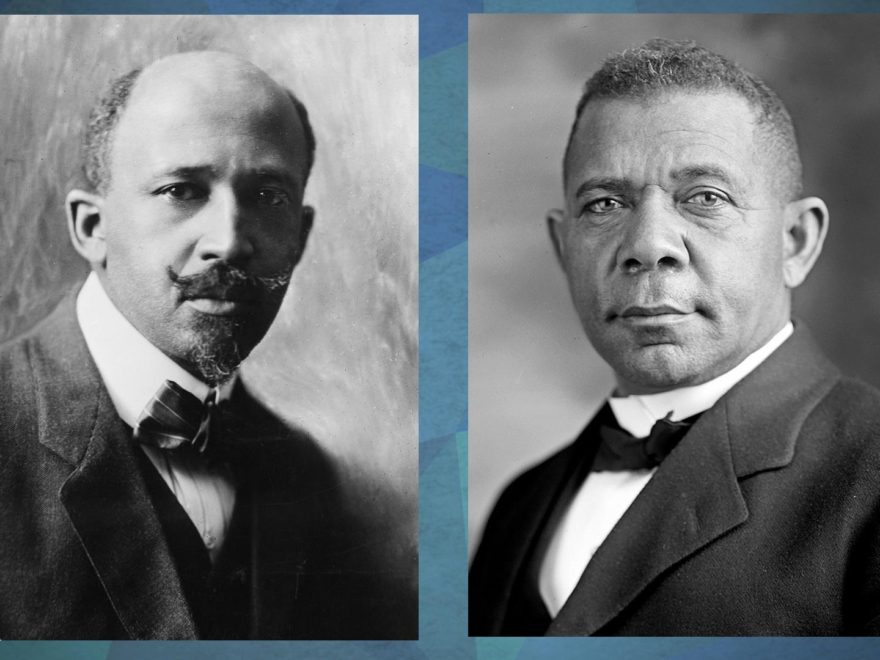
Educating to Transform Society: The Washington-DuBois Debate
The year was 1895. Two momentous events occurred that year that would lead to a heated rivalry between Booker T. Washington and W. E. B. DuBois. The first event was the death of Frederick Douglass on February 20th of that year. He was the leading black figure of the time, speaking and writing with a…
-
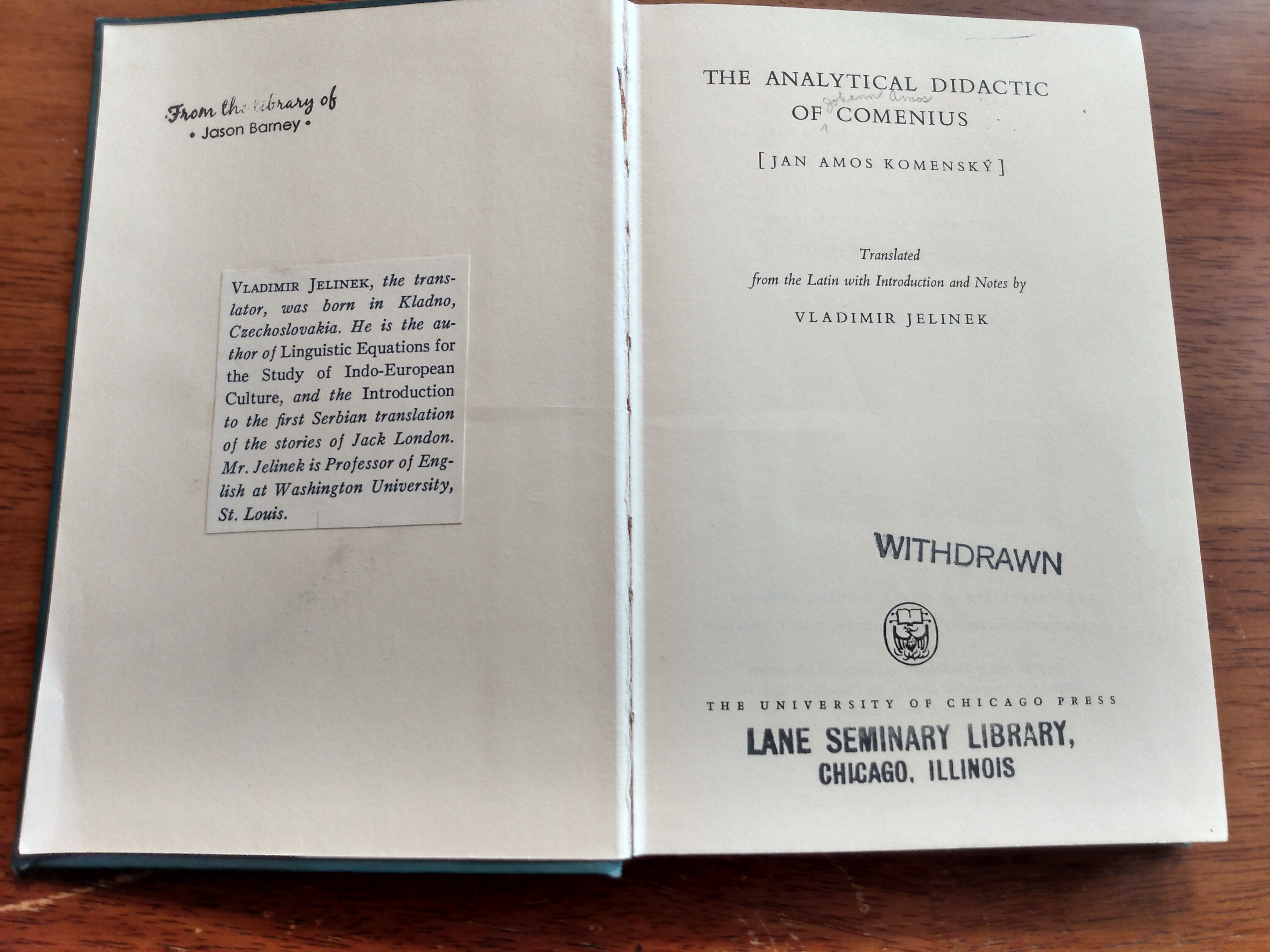
Expanding Narration’s History with Comenius: Narration’s Rebirth, Stage 2 – The Analytical Didactic
In my last article I expanded my treatment of the history of narration through delving into a passage from John Amos Comenius’ The Great Didactic. I began reading The Great Didactic last year while writing the history of narration series and determined that there was more to say about the rebirth of narration during the…
-

Expanding Narration’s History with Comenius: Narration’s Rebirth, Stage 2 – The Great Didactic
If you’ve been following Educational Renaissance for some time, you might remember my history of narration series from last year. During the third article of the series I had a short section on narration in John Amos Comenius’ work, relying primarily on Karen Glass’s brief quotations in Know and Tell. At the time I was…
-
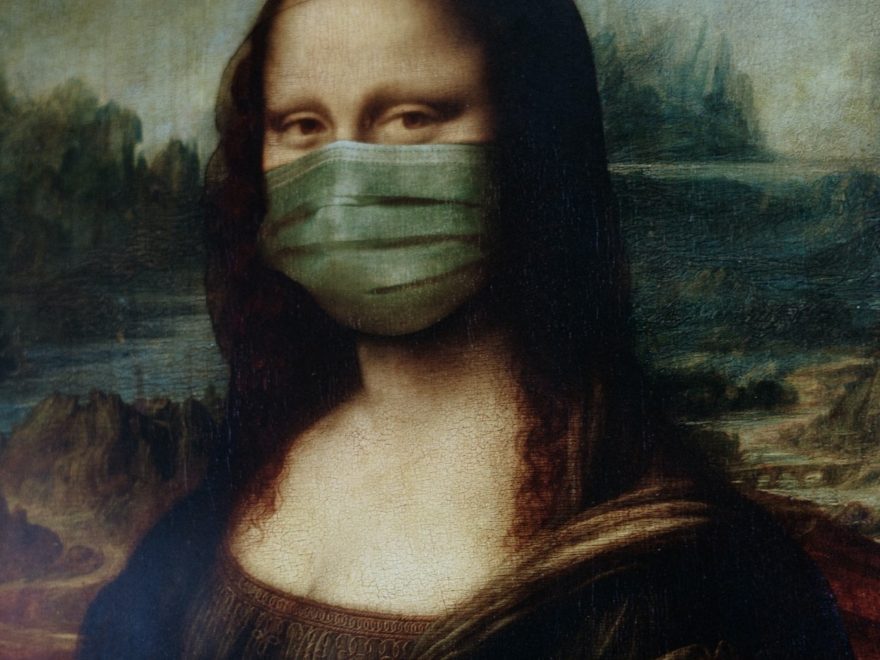
After the Black Death . . . What?
It was a little over a year ago that I wrote “The Black Death and an Educational Renaissance” about how the Black Death serves as an analogue to the Coronavirus. In that article I argued that the Black Death initiated a series of societal changes that eventually led to the Renaissance. I particularly noted how…