Author: Kolby Atchison
-
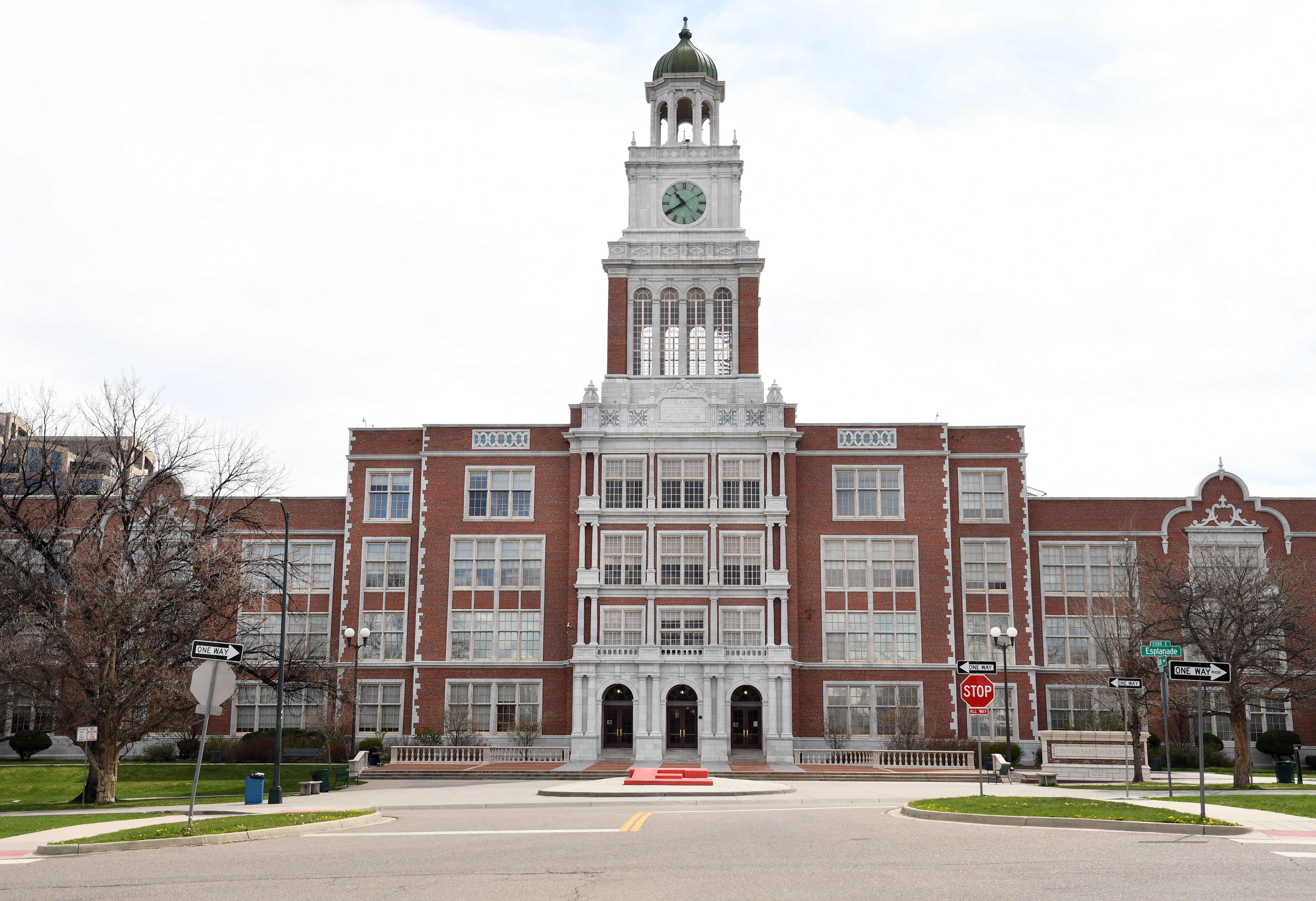
Good to Great: Measuring the “Greatness” of a School
Like many educational leaders who are familiar with books on leadership and management, I am greatly indebted to Jim Collins’ Good to Great (New York: Harper Business, 2001) for my understanding of how to take an organization to the next level. In this #1 bestseller, Collins identifies through longitudinal research the seven characteristics of business…
-

Building a Strong Faculty Culture
Schools are interesting organizations, to say the least. They may vary in leadership structures and governance policies, but they all contain the same core groups of constituents: students, parents, faculty and staff members, administrators, board members, and donors. Of these groups, which is most critical for the success of the school? While a compelling case…
-
Educating in Desire for the Kingdom
In the Christian, classical renewal movement we often draw the distinction between an education focused on information and an education focused on formation. Education in information focuses on the dissemination of facts, critical thinking skills, and beefing up the intellect, while education for formation prioritizes the process of developing a certain type of person. Both…
-

Fostering Grit Through Charlotte Mason’s Practice of Habit Training
We write and speak often at Educational Renaissance about the importance of cultivating good habits (you can listen to our podcast on habit training here). Habits are, as Charlotte Mason put it, the railways of the good life (Home Education, p. 101). A person with good habits experiences a life of ease, while a person…
-

Educating for Truth
I recently gave a short talk at my school’s curriculum night on the practical value of a classical education. In many ways, it was a recapitulation of the blog article I wrote a few weeks ago. I identified two popular ways of thinking about education today–both geared toward practical aims–and then argued that classical education…
-

Is Classical Education Practical?
Is classical education practical? I suppose it depends on what we mean by the question. In modern times, a practical education is usually synonymous with one focused on job preparation. Students are educated in order to join the workforce and be economically successful. But job preparation is not the only way an education can be…
-
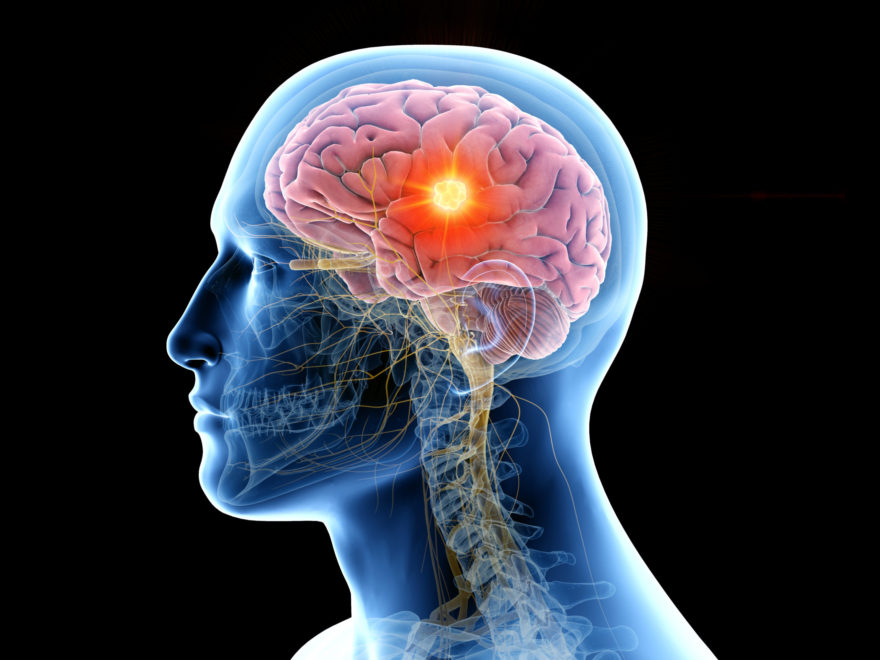
The Human Brain and the Liberal Arts
For some Christians, brain science and talk of “caring for your brain” can be uncomfortable. It smacks of a physicalist conception of reality in which all we are is our physical bodies. As Christians, we believe in the reality of the soul and a transcendent immaterial world. To focus myopically on the brain may cause…
-

Liberal Arts and the Transmission of Culture
In classical circles, we speak often about the importance of the liberal arts, over and against mere career-readiness skills, but we do not always elaborate. The reality is that career-readiness skills–skills like analyzing data, applying information technology, preparing for an interview, and completing tasks efficiently–are immensely helpful. The problem is not their usefulness, but their…
-

Cultivating the Discipline of Study
Our world is restless, this much is clear. As I have observed in previous blogs, the speed of the modern world is only accelerating as new technologies allow people to access whatever they seek at unprecedented rates. Surfing the web, in particular, has never been easier, and with it, the vulnerability to succumb to the…
-
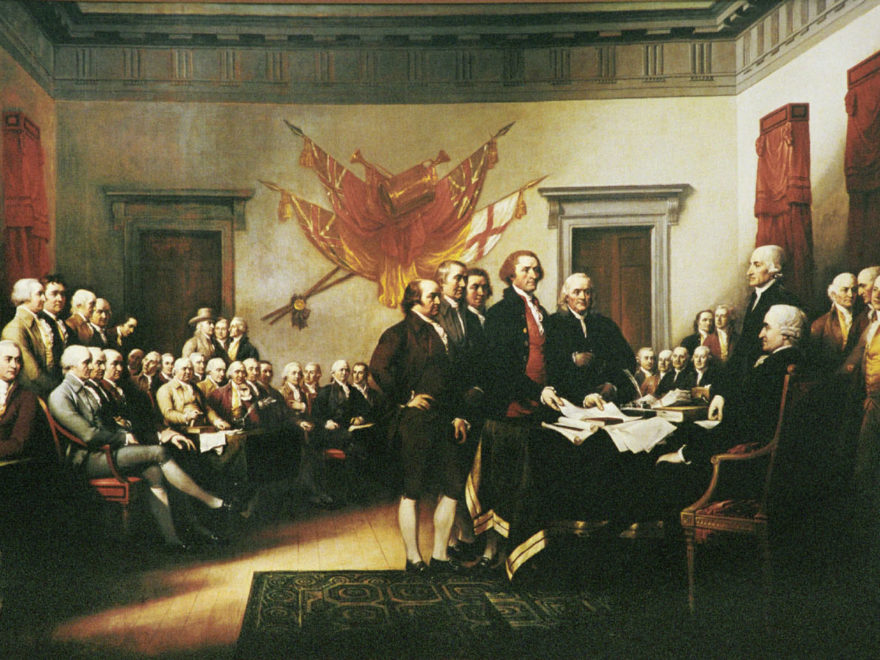
Insights on Education from the Life of John Adams
This past month I have been reading David McCullough’s biography on John Adams. Adams, as you may recall, was a key leader amongst the colonies throughout their concerted effort to gain independence from British rule. He experienced first hand the benefits of life in the British Empire as well as the eventual challenges. Adams would…