Author: Kolby Atchison
-

“Education is an Atmosphere”: Foundations for a Christian “Paideia”
‘Education is an atmosphere, a discipline, a life’––is perhaps the most complete and adequate definition of education we possess. It is a great thing to have said it; and our wiser posterity may see in that ‘profound and exquisite remark’ the fruition of a lifetime of critical effort. Charlotte Mason, Parents and Children, p. 33…
-

Practicing Peacefulness: Beginning the School Year in the Right Frame of Mind
With the start of school just around the corner, teachers are gearing up for another year. As usual, summer break has gone by too fast. And yet, at the same time, the attraction of new beginnings lures them back to the classroom. There is something about a fresh start that energizes, awakens, and inspires. How…
-

Funding the Mission: Values for Fundraising in Christian, Classical Schools
At Educational Renaissance, we seek to promote a rebirth of ancient wisdom for the modern era. We believe that education is so much more than getting good grades, receiving admission to prestigious universities, and fulfilling state requirements. To be sure, evaluation is productive, higher education is valuable, and scripture grants government an important role in…
-

To Save a Civilization, Part 2: The Road to Rebuilding
In my previous article, I reflected on the nature of civilizations: how they emerge, what they are built upon, and why they fall. I specifically examined the story of the fall of the Roman Empire. While it is difficult for historians to identify a single point in time when the decline began, various cultural, moral,…
-

To Save a Civilization, Part 1: Conditions for a Decline
Why did Rome fall? In our present age, this question may yield insights that extend beyond historical inquiry. Rome, in the ancient world, was not simply another European city. It represented the pinnacle of western civilization and the magnetic core of order. Rome embodied itself as both the trustee of culture and the key to…
-

Growth in the Craft: Fresh Techniques for Your Teaching Tool Belt
The sole true end of education is to teach men how to learn for themselves; and whatever instruction fails to do this is effort spent in vain. Dorothy Sayers, “The Lost Tools of Learning” As educators, we get excited when classrooms come alive: Hands shoot up. Eyes brighten. And body language across the room broadcasts that…
-

On Deep Reading
In an age of misleading news articles, vicious discourse, and exponential ignorance, it is a curious fact that the skill of reading continues to take the backseat to other “practical” areas of study. Society, it seems, would rather have students master Microsoft Excel or how to program computers than they would become lectiophiles. Reading is…
-
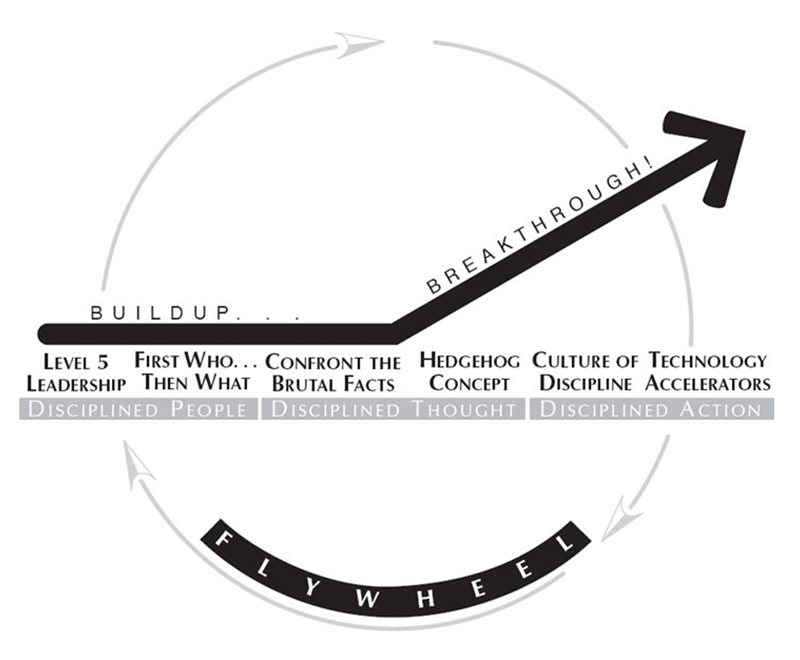
Good to Great: Helping Schools Find Their Hedgehog Concept
In a world of seemingly endless opportunities for educational innovation, it can be difficult for school leaders to know where to focus. Should they prioritize the building of a successful sports program? How about offering generous packages of financial assistance? Will the school be known for its impressive musical productions, rigorous curriculum, or exceptional classroom…
-

Irrigating Deserts in Schools: The Redemption of Emotion in an Age of Feeling
In a world of sensationalistic news, propaganda, and emotions running in overdrive, our students need specialized training in how to navigate life’s challenges with wisdom. Dorothy Sayers and C.S. Lewis, two favorites in the classical education renewal movement, offered different, but related, educational solutions to respond to emotive and misleading propaganda. Dorothy Sayers, known for…
-

Good to Great: Attracting the Right Teachers
In my previous article, I introduced a new series on how insights from Jim Collins’ Good to Great (New York: Harper Business, 2001) might apply to schools. In his book, Collins and his team of researchers study eleven companies that achieved exceptional results over a long period of time in relation to their comparison peers.…