Tag: virtue
-

To Save a Civilization, Part 1: Conditions for a Decline
Why did Rome fall? In our present age, this question may yield insights that extend beyond historical inquiry. Rome, in the ancient world, was not simply another European city. It represented the pinnacle of western civilization and the magnetic core of order. Rome embodied itself as both the trustee of culture and the key to…
-
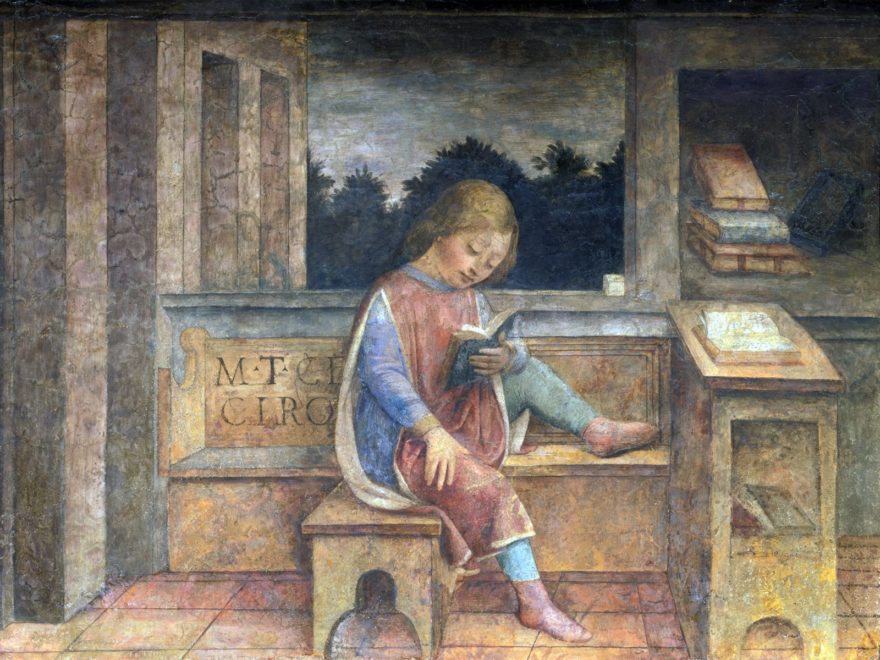
Renaissance Children: How Our View of Children Shapes Our Educational Aims
Perhaps no figure in Twentieth century America captured the idealization of childhood innocence better than Norman Rockwell. His paintings, appearing regularly on The Saturday Evening Post, often included children who evoked an innocence untouched by hard realities that grown ups experienced through the Great Depression and two World Wars. Consider the painting Marble Champion. This…
-

Irrigating Deserts in Schools: The Redemption of Emotion in an Age of Feeling
In a world of sensationalistic news, propaganda, and emotions running in overdrive, our students need specialized training in how to navigate life’s challenges with wisdom. Dorothy Sayers and C.S. Lewis, two favorites in the classical education renewal movement, offered different, but related, educational solutions to respond to emotive and misleading propaganda. Dorothy Sayers, known for…
-

Building a Strong Faculty Culture
Schools are interesting organizations, to say the least. They may vary in leadership structures and governance policies, but they all contain the same core groups of constituents: students, parents, faculty and staff members, administrators, board members, and donors. Of these groups, which is most critical for the success of the school? While a compelling case…
-

Fostering Grit Through Charlotte Mason’s Practice of Habit Training
We write and speak often at Educational Renaissance about the importance of cultivating good habits (you can listen to our podcast on habit training here). Habits are, as Charlotte Mason put it, the railways of the good life (Home Education, p. 101). A person with good habits experiences a life of ease, while a person…
-

The Value of Objective Value: C. S. Lewis on Renewing Education
No matter what age you or your children are, I highly recommend The Chronicles of Narnia by C. S. Lewis for summer reading. They are lighthearted yet full of depth. I am reading aloud The Silver Chair, the fourth book in the seven-book series. For those who know the general contours of the series, this…
-
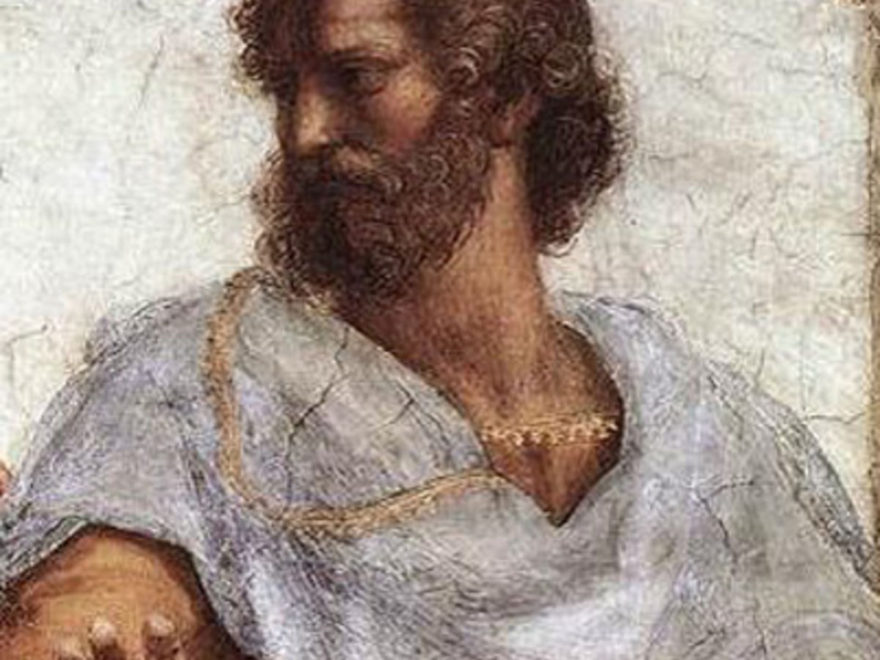
Aristotle’s Virtue Theory and a Christian Purpose of Education
Up till now in this series I have evaluated Bloom’s taxonomy and mostly used Aristotle’s intellectual virtues as a foil in my critique. And so while I have, to a certain extent, defined and described Aristotle’s five intellectual virtues, alongside offering an outline snapshot of a classical Christian educational paradigm based on them, my explanations…
-
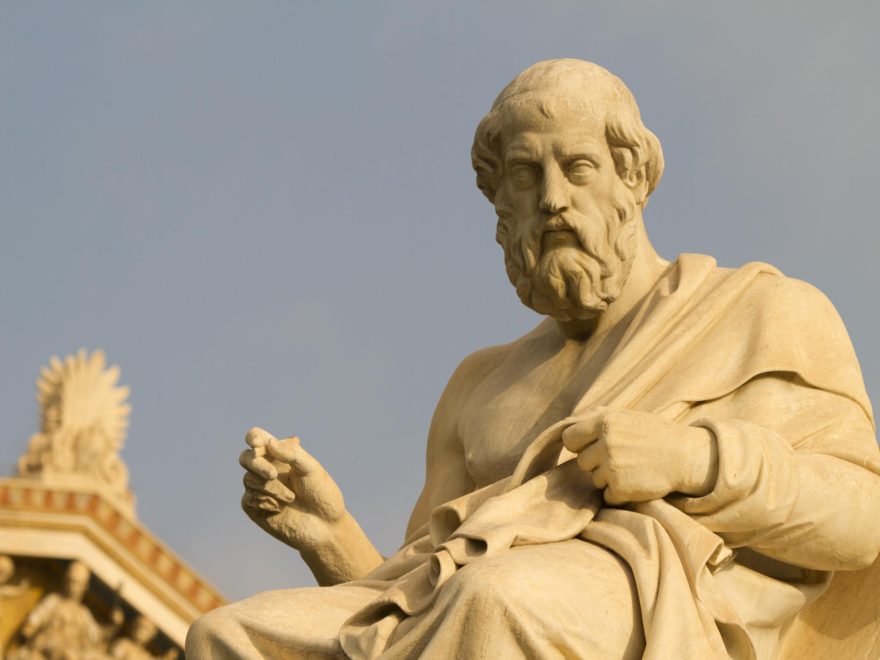
Life in Plato’s Republic, Part 1: Is Justice Worth it?
“Whether we like it or not, whether we know it or not, we are all more or less Platonists. Even if we reject Plato’s conclusions, our views are shaped by the way in which he stated his problems.”1 In today’s article, I begin a new series on Plato’s Republic. I’ve been wanting to start this…
-

When Bloom’s Gets Ugly: Cutting the Heart out of Education
Bloom’s Taxonomy cuts out the heart of education by cultivating bloated heads and shrivelled chests and leaving out man as maker and doer.
-

Human Development, Part 1: What Do You Have in Mind?
A sound pedagogy requires a good understanding of anthropology (the study of human beings including our nature, our biology, our behavior and our social patterns) and of epistemology (the study of the nature of knowledge and how humans experience and acquire knowledge). One way these key areas of study (anthropology and epistemology) converge pertains to…