Tag: virtue
-

Mastery over Speed: The Lost Art of Cultivating Virtue
It has become a truism that we live in a fast-paced world. In less than a century, modern technology has enabled us to convert a planet with a surface area of 197 million square miles into a global neighborhood. In 1750, for example, it took 4-6 weeks to sail by ship from New York to…
-
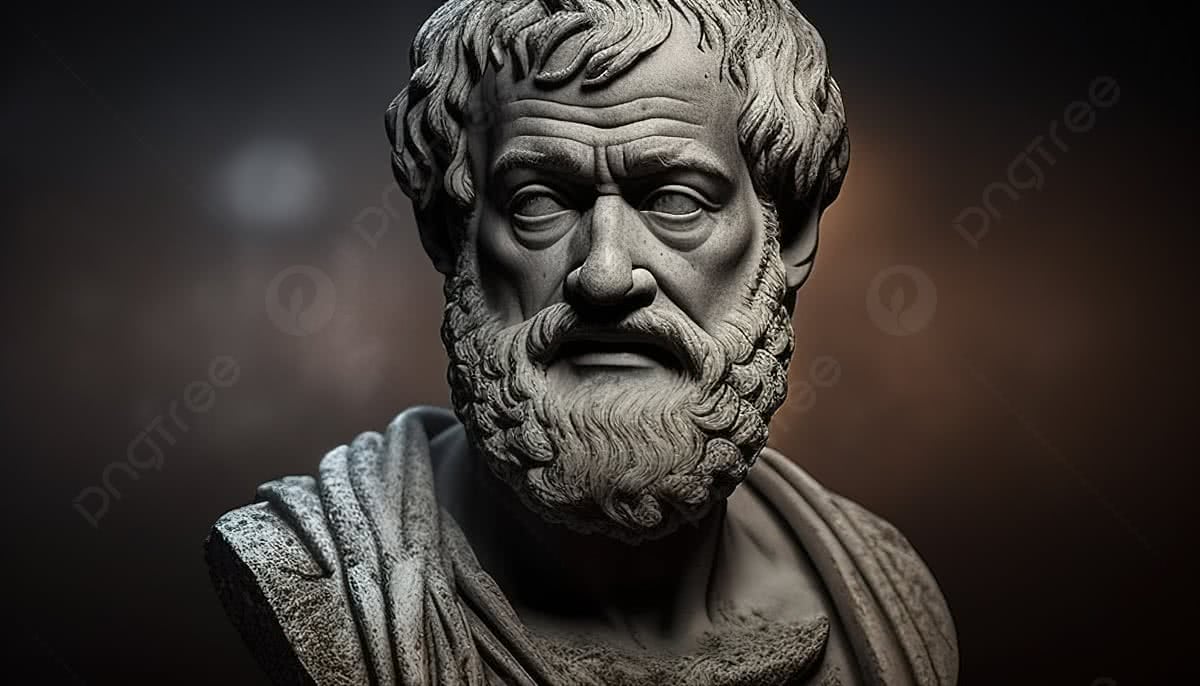
The Soul of Education, Part 3: Aristotle’s Hylomorphic Soul and the Virtuous Mind
In our series on the soul of education, we’re investigating historical views of the soul that have an impact on both the purpose and the methods of education. Our overarching thesis is that our anthropology will inevitably influence our pedagogy. But when we are unaware of the jumbled mix of assumptions we have about ourselves…
-

To Belbury or St. Anne’s? A Vision for Moral Education in C.S. Lewis’ That Hideous Strength
Note: This article contains spoilers from C.S. Lewis’ That Hideous Strength. In the final book of the Ransom trilogy, That Hideous Strength (Scribner, 1945), C.S. Lewis presents his readers with a stark contrast between two communities: the residents of St. Anne’s on the Hill and the conspirators of the N.I.C.E. in Belbury. In doing so,…
-
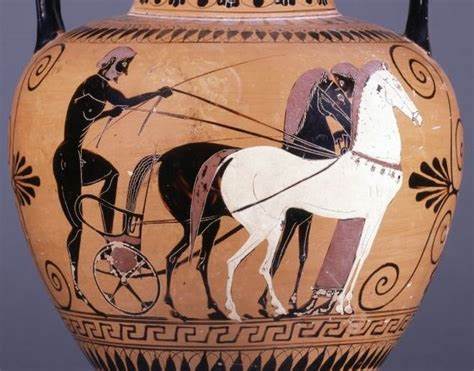
The Soul of Education, Part 2: Plato’s Immortal and Tripartite Soul
In the introduction to this series, we explained how our view of the soul, or nature of a human being, will necessarily impact our practice of education. In our modern world we are bombarded by so many competing views of the soul, both implicit and explicit, that we operate in a confused mess. From behaviorism…
-
Counsels of the Wise, Part 8: Aiming at the Intermediate or Aristotle’s Moral Virtues
We’ve traveled far in this series on restoring the forgotten goal of prudence or practical wisdom to our educational goals. We established the necessity of prudence alongside moral virtue as constituting the intellectual virtue that accompanies and regulates all the moral virtues by deliberating about what is good or bad for human beings. A Christian…
-

Classical Education and the Rise of A.I.
Since the early days of the classical education renewal movement, one of the primary distinctives of a classical education has been strong academics. Through books like The Well-Trained Mind and Recovering the Lost Tools of Learning, classical educators have sounded a clarion call back to a tradition that offers a challenging yet rewarding academic program…
-
Counsels of the Wise, Part 7: Leadership, Liberal Arts, and Prudence
In the previous article we finally laid out a pedagogy for training students in prudence. While there are many preliminary actions that we can take to sow the seeds of prudence and provide for students’ good instruction from sources of moral wisdom, it is nevertheless true that the full acquisition of practical wisdom awaits a…
-

Counsels of the Wise, Part 4: Preliminary Instruction in Prudence
How does a person become wise? What are the proper ingredients in an educational paradigm aimed at prudence? Where would we even begin? So much of K-12 education seems to have nothing to do with practical wisdom, as Aristotle defines it. How do we recover the classical goals of wisdom and virtue in earnest, and…
-
The Counsels of the Wise, Part 2: Why Reviving Moral Philosophy Is Not Enough
In The Liberal Arts Tradition: A Philosophy of Christian Classical Education (Version 2.0, Revised Edition), Kevin Clark and Ravi Jain argue for a recovery of the tradition of moral philosophy against the reductionism of the modern social sciences. Their account of the intellectual history that led to the replacement of this classical and Christian paradigm…
-

“Education is a Discipline”: Virtue Formation in the Classroom
“’Education is an atmosphere, a discipline, a life’––is perhaps the most complete and adequate definition of education we possess. It is a great thing to have said it; and our wiser posterity may see in that ‘profound and exquisite remark’ the fruition of a lifetime of critical effort (Charlotte Mason, Parents and Children, p. 33).…