Tag: classical education
-

Mastery over Speed: The Lost Art of Cultivating Virtue
It has become a truism that we live in a fast-paced world. In less than a century, modern technology has enabled us to convert a planet with a surface area of 197 million square miles into a global neighborhood. In 1750, for example, it took 4-6 weeks to sail by ship from New York to…
-
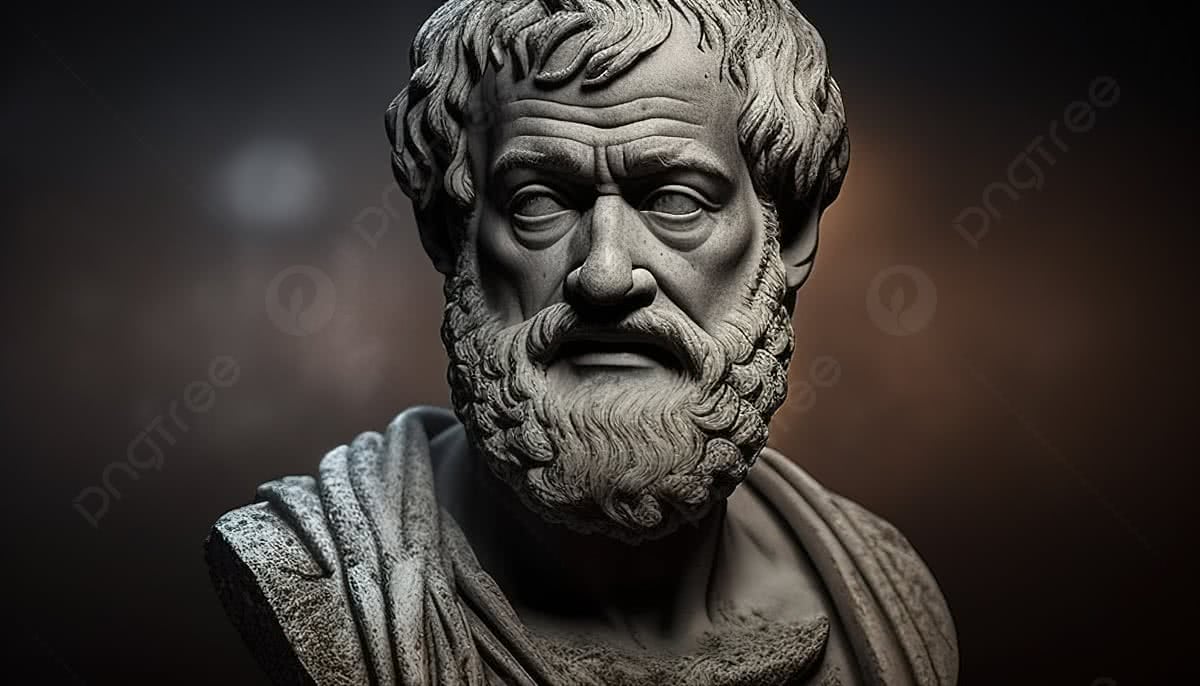
The Soul of Education, Part 3: Aristotle’s Hylomorphic Soul and the Virtuous Mind
In our series on the soul of education, we’re investigating historical views of the soul that have an impact on both the purpose and the methods of education. Our overarching thesis is that our anthropology will inevitably influence our pedagogy. But when we are unaware of the jumbled mix of assumptions we have about ourselves…
-

Slow Productivity in School: Part 3, Work at a Natural Pace
In this series, I am taking my cue from Cal Newport’s helpful book Slow Productivity: The Lost Art of Accomplishment Without Burnout and applying his insights to our expectations for student work in classical Christian schools. Like the modern office, forms of pseudo-productivity dominate the modern school system–a fact that explains how children can spend…
-
On the Beginning…and End of Civilizations
“Civilization is social order promoting cultural creation. Four elements constitute it: economic provision, political organization, moral traditions, and the pursuit of knowledge and the arts. It begins where chaos and insecurity end. For when fear is overcome, curiosity and constructiveness are free, and man passes by natural impulse towards the understanding and embellishment of life.” …
-
Slow Productivity in School, Part 2: Do Fewer Things
In my last article we discussed the problem of pseudo-productivity in school. Popularly called busywork, this pseudo-productivity of the factory model of education presents a fairly straightforward analogy to the pseudo-productivity of the office. In his book Slow Productivity: The Lost Art of Accomplishment Without Burnout, Cal Newport diagnosed the problem of our crazy busy…
-

The Search for Great Teaching: A Comparison of Teach Like a Champion 3.0 and Christopher Perrin’s Pedogogical Principles
One interesting addition to Doug Lemov’s Teach Like a Champion series in his third edition (Teach Like a Champion 3.0) is his notion of a mental model. He introduces the idea like this: “In a typical lesson you decide, often quickly. Then you decide, decide, and decide again. You are a batter facing a hundred…
-
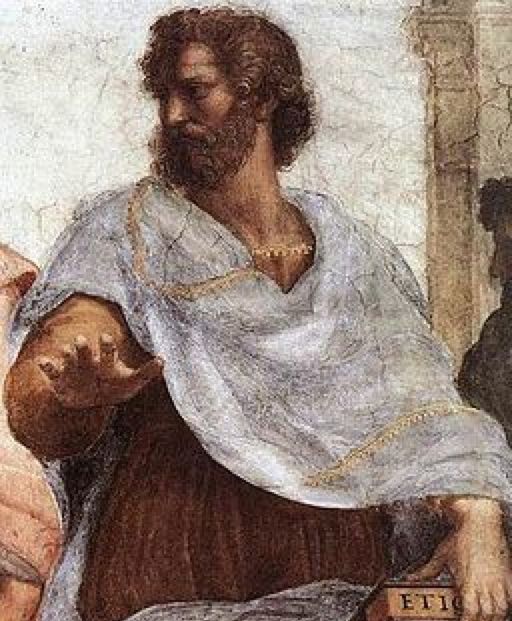
The Great Cause of Teaching
In Aristotle’s writings, the philosopher famously articulates four causes, or explanations, for why a thing exists: Together these causes serve as the foundation for whatever knowledge we can know about anything that exists. In this article, I will explore the final cause, or purpose, of teaching. It practically goes without saying that there is great…
-

The Role of Imagination in Education
Imagination. The word brings so much to mind for us today. If there’s one thing that everybody can agree on for children, it’s the need to help them develop a vivid imagination through school, play, and well… everything they do. Or perhaps, ‘develop a vivid imagination’ is the wrong way of putting it. “Every child…
-
5 Elements of Faculty Culture for a New School to Implement on Day 1
With the skyrocketing number of new classical schools opening each year in the United States and beyond, the launch teams for these schools are no doubt busy working to prepare for the first day of school. On the one hand, this inaugural day probably feels far away yet. But on the other hand, for these…
-
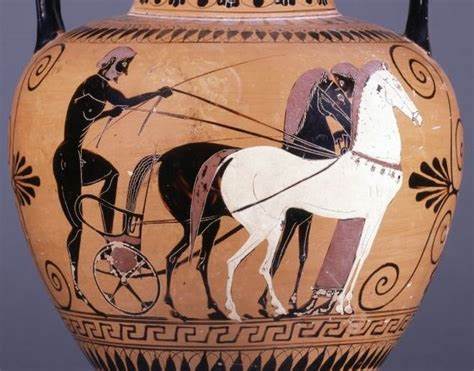
The Soul of Education, Part 2: Plato’s Immortal and Tripartite Soul
In the introduction to this series, we explained how our view of the soul, or nature of a human being, will necessarily impact our practice of education. In our modern world we are bombarded by so many competing views of the soul, both implicit and explicit, that we operate in a confused mess. From behaviorism…