Author: Jason Barney
-
The Counsels of the Wise, Part 2: Why Reviving Moral Philosophy Is Not Enough
In The Liberal Arts Tradition: A Philosophy of Christian Classical Education (Version 2.0, Revised Edition), Kevin Clark and Ravi Jain argue for a recovery of the tradition of moral philosophy against the reductionism of the modern social sciences. Their account of the intellectual history that led to the replacement of this classical and Christian paradigm…
-

The Counsels of the Wise, Part 1: Foundations of Christian Prudence
We began this series with a proposal to replace Bloom’s Taxonomy of educational objectives with Aristotle’s five intellectual virtues. While Bloom and his fellow university examiners aimed to create clarity in teaching goals through a common language, their taxonomy of cognitive domain objectives may have done more harm than good. In rejecting the traditional paradigm…
-

So, You Think You Want to be a Principal…
School Principal Job Description Unclogging toilets and mopping up sewage in the restrooms of your new facility Setting up hundreds of chairs for an event on your own because you know you can’t ask any more of your teachers or volunteers Subbing for Calculus one day and Kindergarten the next, outside of your comfort zone…
-

Apprenticeship in the Arts, Part 6: The Transcendence and Limitations of Artistry
In this series on apprenticeship in the arts we have laid out a vision for the role of the arts in a fully orbed classical Christian education. We began by situating artistry or craftsmanship within a neo-Aristotelian and distinctly Christian purpose of education: namely, the cultivation of moral, intellectual, and spiritual virtues. Then we explored…
-

Apprenticeship in the Arts, Part 5: Structuring the Academy for Christian Artistry
In the previous article we explored the need to counter the passion mindset of our current career counseling by replacing it with a craftsman mindset drawn from a proper understanding of apprenticeship in the arts. Apprenticing students in various forms of artistry (including the liberal arts) constitutes the role of the Academy that is most…
-

Apprenticeship in the Arts, Part 4: Artistry, the Academy and the Working World
In his book So Good They Can’t Ignore You: Why Skills Trump Passion in the Quest for Work You Love, Cal Newport argues against the well-known Passion Hypothesis of career happiness. He describes the Passion Hypothesis as the idea that “the key to occupational happiness is to first figure out what you’re passionate about and…
-

Apprenticeship in the Arts, Part 3: Crafting Lessons in Artistry
In the previous two articles in this series exploring Aristotle’s intellectual virtues, I laid out a fivefold division of the arts and a teaching method for training in artistry. My guiding hypothesis is that rethinking education through the Aristotelian paradigm of intellectual virtues will combat some of the typical problems of modern education. Bloom’s Taxonomy…
-

Apprenticeship in the Arts, Part 2: A Pedagogy of Craft
In my previous article in this series on Aristotle’s intellectual virtues, I discussed the general nature of artistry or craftsmanship under the heading of apprenticeship. Aristotle’s virtue of techne, often translated ‘art’, points to our human capacity to make things, to produce things in the world. Words like ‘artistry’ or ‘craftsmanship’ help to convey in…
-
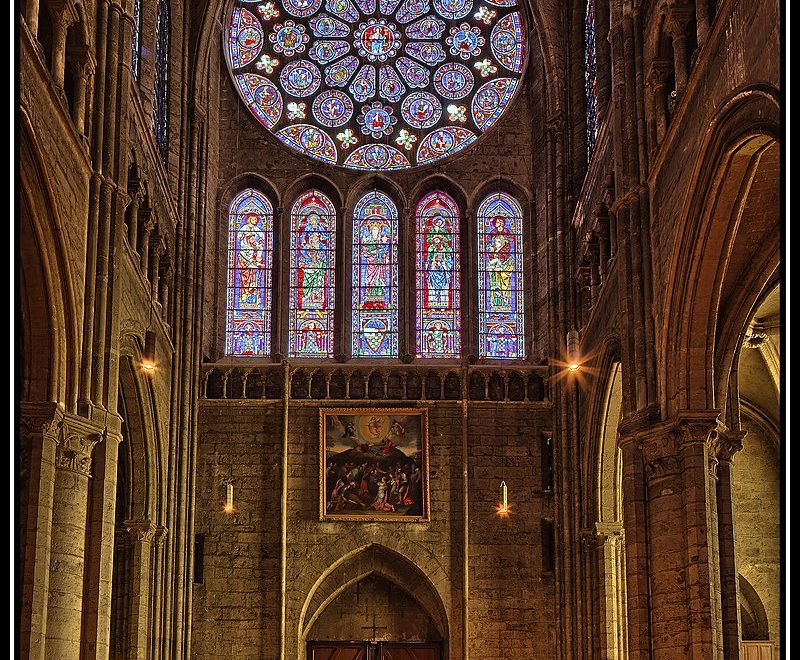
Expanding Narration’s History in the late Middle Ages: Bernard of Chartres from John of Salisbury’s Metalogicon
This is the third blog article expanding the short history of narration I laid out a year ago. In the last two I expanded my treatment of John Amos Comenius to engage in detail with the passages from The Great Didactic and the Analytical Didactic that recommend activities that Charlotte Mason would have called narration.…
-
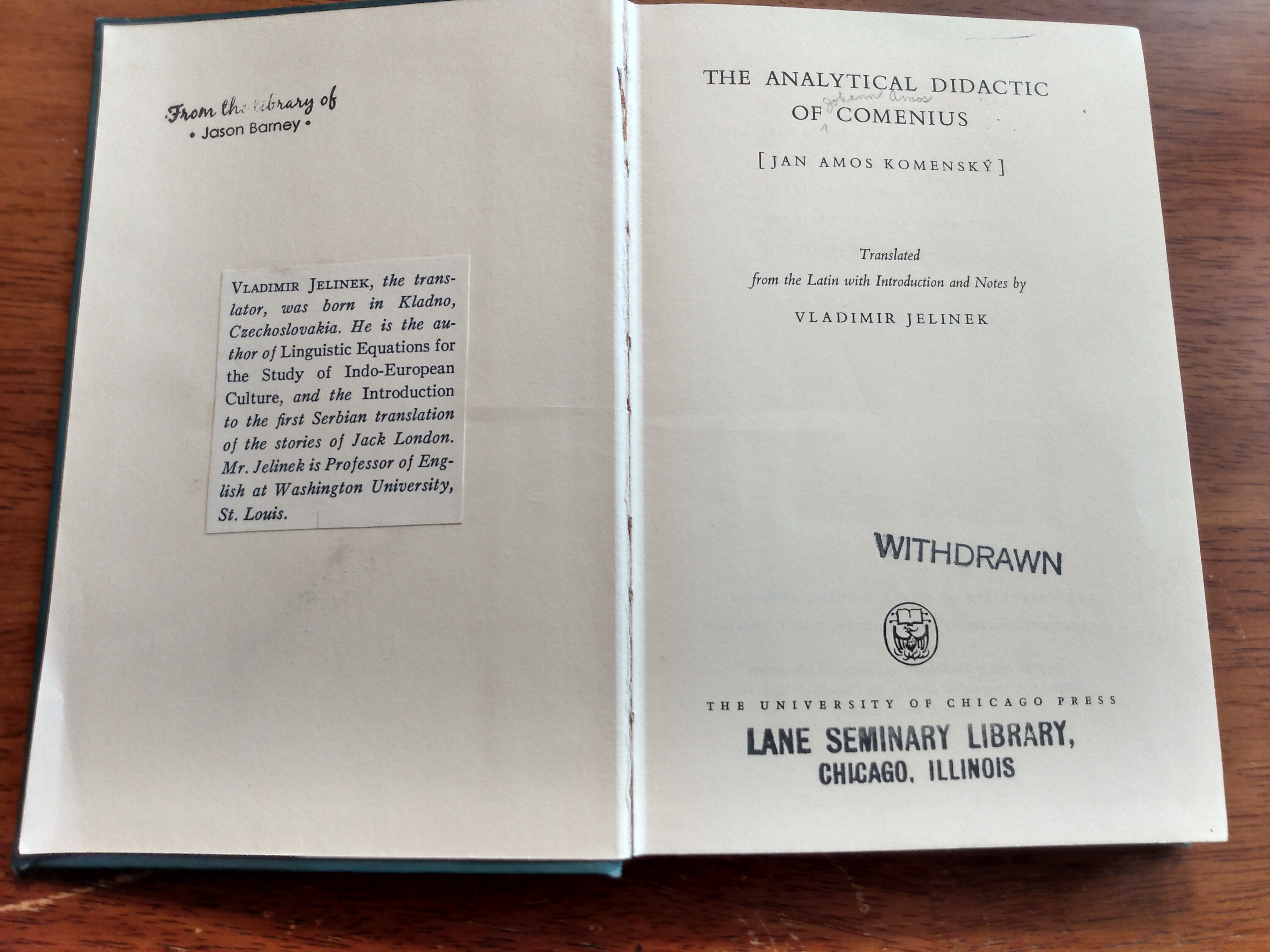
Expanding Narration’s History with Comenius: Narration’s Rebirth, Stage 2 – The Analytical Didactic
In my last article I expanded my treatment of the history of narration through delving into a passage from John Amos Comenius’ The Great Didactic. I began reading The Great Didactic last year while writing the history of narration series and determined that there was more to say about the rebirth of narration during the…